

In a crowded digital space, simply having a website isn’t enough—you need people to find it. That’s where SEO optimization comes in. By improving how your site appears in search engines, SEO helps drive organic traffic, increase visibility, and grow your business without relying solely on paid ads.
What is SEO Optimization?
SEO (Search Engine Optimization) is the process of improving your website so it ranks higher on search engines like Google. The goal is simple: when someone searches for a product or service you offer, your website appears near the top of the results.
Why SEO Matters
A well-optimized website can:
- Increase organic traffic – Attract visitors without paying for ads
- Build credibility and trust – Higher rankings signal authority
- Improve user experience – SEO focuses on usability and performance
- Deliver long-term results – Unlike ads, SEO keeps working over time
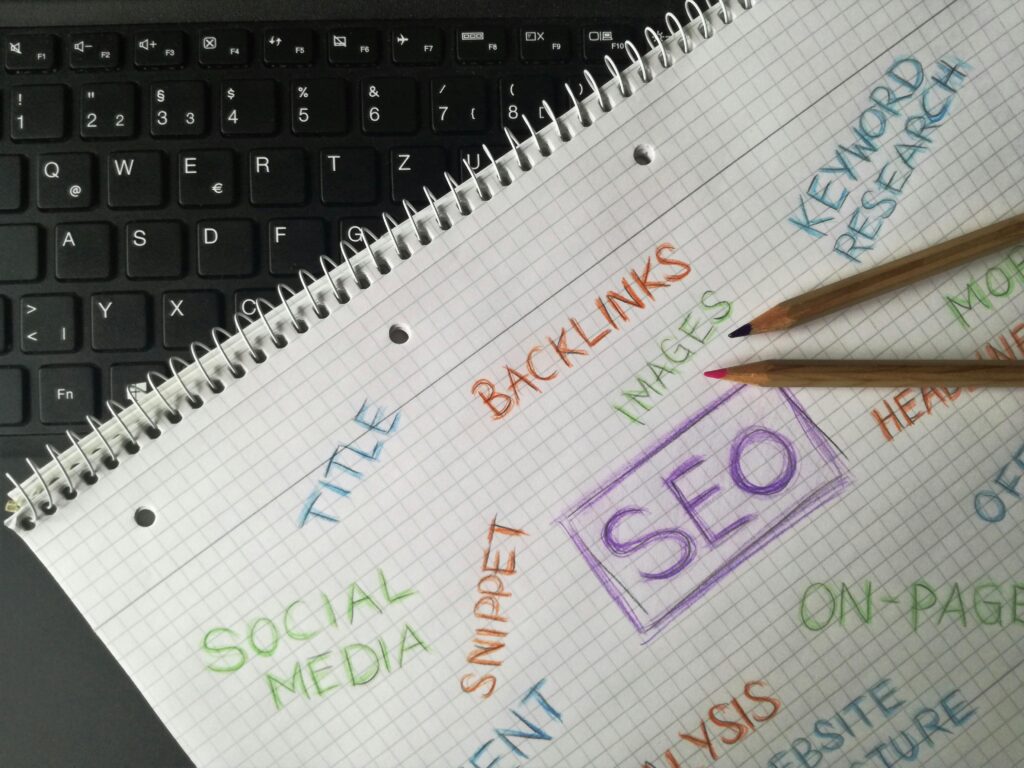
Key Elements of SEO Optimization
1. Keyword Research
Understanding what your audience is searching for is the foundation of SEO. Using the right keywords helps connect your content with user intent.
2. On-Page SEO
This includes optimizing:
- Page titles and meta descriptions
- Headings and content structure
- Images and internal links
Every page should be clear, relevant, and valuable to the reader.
3. Technical SEO
Behind the scenes, your website should be:
- Fast-loading
- Mobile-friendly
- Secure (HTTPS)
- Easy for search engines to crawl
4. Content Quality
Content is the heart of SEO. High-quality, informative, and engaging content keeps users on your site and encourages them to return.
5. Backlinks
Links from other websites act as “votes of confidence.” The more credible sites linking to you, the more authority your site gains.
Common SEO Mistakes to Avoid
- Keyword stuffing (overusing keywords unnaturally)
- Ignoring mobile optimization
- Slow website speed
- Low-quality or duplicate content
Avoiding these helps maintain strong search performance.
SEO vs Paid Ads
While paid ads can deliver quick results, SEO is a long-term strategy. Ads stop working when you stop paying—but SEO continues to generate traffic over time, making it a cost-effective investment.
Final Thoughts
SEO optimization is not just about rankings—it’s about connecting your business with the right audience. By focusing on quality content, strong technical performance, and user experience, you can build a website that not only ranks well but also converts visitors into customers.
If you want sustainable growth online, SEO isn’t optional—it’s essential.